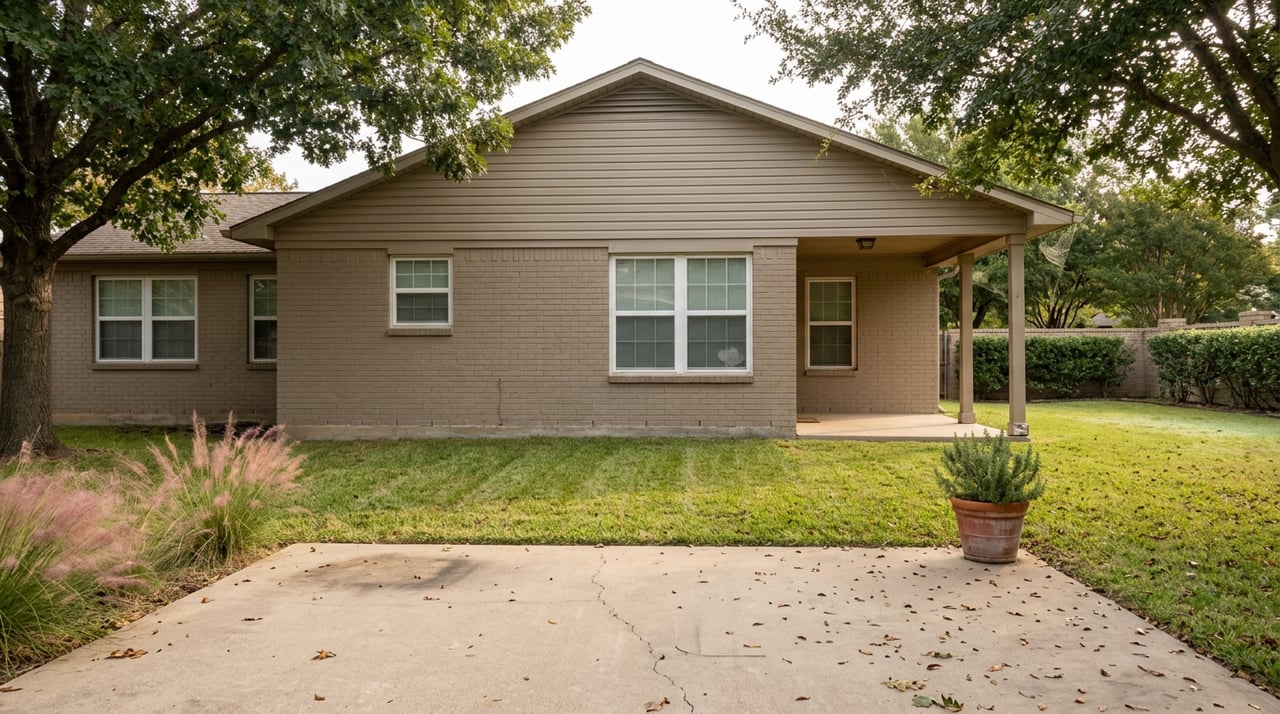
Seabourne Creek Nature Park's Loudest Night Isn't Its Best One
August 20, 2026
August 20, 2026
The fireworks already happened this year. On July 4, Rosenberg threw its 27th Annual Family 4th Celebration at Seabourne Creek Nature Park, the free evening event with live music from Steel Country, food trucks, and a 20-minute fireworks finale that closed out around 9:30 p.m. Thousands showed up. Shuttles ran continuously from the Fort Bend County Fairgrounds because the park's own lots couldn't hold the cars. If you live in The Trails at Seabourne Park, you probably know all of this already. It's the one night the park makes the news.
Here's what doesn't make the news: what the park is doing right now, in the middle of August, while the fireworks are a memory and the next big scheduled draw is still months off. The answer isn't nothing. It's a working calendar of naturalist-led programs that run on a rhythm most neighbors never learn, because the one loud night crowds out the other 364.
That rhythm is worth learning, and not just for the walking. The park your subdivision is named for sits on the Great Texas Coastal Birding Trail, a real designation from the state's birding trail network, and its volunteer-run bird hikes have logged sightings serious enough to get reported to eBird at Cornell. That's not marketing copy. That's a working data set, and it changes what "The Trails at Seabourne Park" actually means as an address.
The park posts its recurring programs on the City of Rosenberg's own site, but they're easy to miss because none of them are the kind of thing that trends. Here's what actually repeats, month over month:
| Program | Frequency | Season | Led by |
|---|---|---|---|
| Bird Hikes | First Wednesday, 8:00–10:30 a.m. | November through May | Coastal Prairie Chapter, Texas Master Naturalist |
| Weekend Nature Walks | Third Sunday | Year-round | Chapter volunteers |
| Insect Walks | Fourth Thursday (skips Thanksgiving), 9:00–11:00 a.m. | Year-round | Entomology enthusiasts, sometimes a county extension agent |
| Mindful Walks | First Saturday, 9:00 a.m. | Year-round, started April 2026 | Ecotherapist Tierra Ortiz-Rodriguez, rotating with Cullinan park |
That last row is the newest addition. The mindful walk series only began this spring, and it rotates between Seabourne Creek and a second Fort Bend park called Cullinan, so it isn't a Seabourne Creek fixture the same way the bird hikes are. The chapter also runs a rotating Story Time for kids, led by volunteer Hal Carlson, pairing a nature-themed picture book with an activity, though it doesn't follow a fixed monthly slot the way the four programs above do.
Notice what's missing from the table right now. It's August. The bird hikes are on hiatus until November. If you moved here expecting to grab your coffee and join a hike this month, you'd find an empty parking lot at the stone entrance. That's a real gap, and it's exactly the kind of detail that separates a resident who's paid attention from one who hasn't.
The Great Texas Coastal Birding Trail isn't a marketing phrase invented for a park brochure. It's a real, state-administered trail system, and Seabourne Creek Nature Park is one of its stops, with more than 212 species recorded on-site to date.
The monthly bird hikes are where that number grows. Birders from the Coastal Prairie Chapter lead the walks, novices and veterans both welcome, and the sightings that come out of them aren't just logged in someone's notebook.
Unusual sightings get documented and reported to eBird at Cornell University, and the park maintains its own running bird list, updated after every hike.
Among the notable finds recorded on these walks: a Green Kingfisher, a Western Tanager, and an American Avocet. None of those are backyard-feeder birds. They're the kind of sighting that gets a hike written up in a chapter newsletter, and they're a big part of why fall and spring migration months draw the most serious birders to the park's paved lot before sunrise.
The hikes pause for summer, which is normal for coastal bird migration timing, but it means the next one won't happen until the first Wednesday in November. If birding is part of why you're glad you live here, that's the date to circle.
None of this happened by accident, and it didn't happen quickly. Before the City of Rosenberg acquired the land in 1993, it was a cotton farm with poor soil, no lake, and no trees except along the creek beds and fence rows. A 1994 grant from the Texas Parks and Wildlife Department's Outdoor Recreation Grant program funded the lake and the first infrastructure, but by the chapter's own account, most of the park's acreage sat largely untouched for the next fifteen years.
The turn came in 2009, when the Coastal Prairie Chapter of the Texas Master Naturalist program took on the park as what they call a signature project, converting 164 of the park's roughly 209 acres into working habitat. Volunteers still grow the prairie plants onsite each year for restoration. The 20 acres of prairie you walk past today were replanted from scratch, not preserved.
That history matters for one practical reason: the programming isn't run by city staff on a government schedule. It's run by a volunteer chapter that shows up because they built the place, which is part of why the bird hikes have the kind of continuity and institutional memory that produces a real species list instead of a one-off nature walk.
Two additions from 2022 are worth knowing if you haven't walked the park in a while:
Both additions are recent enough that a longtime resident who hasn't walked the wetlands loop in a couple of years might not know they're there.
None of this is meant to talk anyone out of the fireworks. The Family 4th Celebration is free, it's been running for 27 years, and a 20-minute finale over a 208-acre park is genuinely worth the shuttle ride. It's just one night. The rest of the calendar, the first-Wednesday hikes, the third-Sunday walks, the fourth-Thursday insect walks, the first-Saturday mindful walks, adds up to a lot more actual use of the park than a single evening does, and it's the part of the calendar that turns a subdivision name into something you can actually point to.
If you live in The Trails at Seabourne Park right now, in August, the honest answer is that the bird hikes aren't running and won't be until November. What is running: the third-Sunday nature walk, the fourth-Thursday insect walk, and the first-Saturday mindful walk, all meeting at the paved lot by the stone entrance, all free, all open to whoever shows up.
Come November, the calendar fills back in, and that's when the park earns its spot on the state birding trail again, one Wednesday morning at a time.
If you're already a neighbor here and curious how the local market looks this year, or you know someone weighing a move into Fort Bend County and wants a straight answer instead of a sales pitch, The Sansone Group has spent more than two decades working these Fort Bend neighborhoods and is happy to talk it through, no pressure attached.
Stay up to date on the latest real estate trends.

14140 Southwest Freeway, Suite 150 Sugar Land, TX 77478